- 140 Cypress Station Dr Suite 100-26, Houston, TX 77090
- Mon-Fri: 9:00 AM - 5:00 PM


GATE OPENER REPAIR
Gate Opener Repair in Houston, TX
When the remote stops working, the motor hums without moving or the gate only opens some of the time, the problem is usually in the opener. Power Gate Systems diagnoses and repairs gate operators for homes and businesses in Houston, TX, from power and control faults to worn motors and gearboxes.
REVIEWS
Why Houston, TX Customers Call Us for Opener Problems
EXCELLENT Based on 2 reviews
 Posted on Google

 Kevin AzoulayI had a great experience with Power Gate System. I needed gate repair for my LiftMaster LA400 because the motor was not working properly. Tom arrived on time and repaired it quickly. He was friendly, professional, and very helpful throughout the visit. The service was fast, the price was fair, and I’m happy with the result. I would recommend Power Gate System to anyone looking for reliable gate repair.Posted on Google
 Linda PeretzPower Gate Systems did a great job helping us with our LiftMaster gate. They quickly found the issue, got everything working properly, and made the whole process easy. Professional, knowledgeable, and reliable. Highly recommend them for gate repair and LiftMaster gate services!
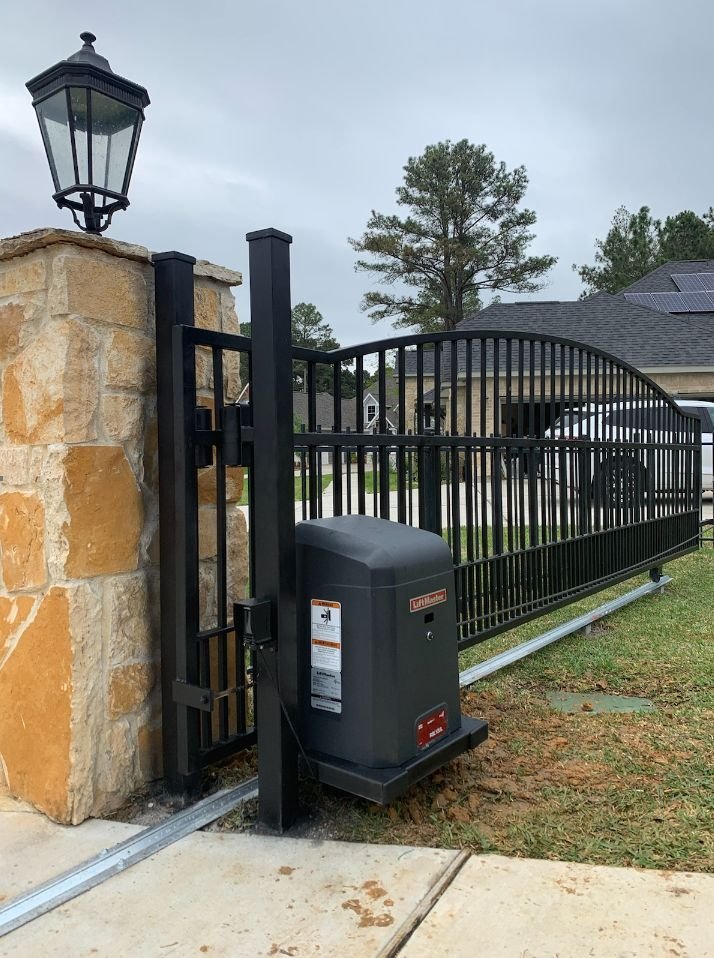
GATE OPERATOR SERVICE
The Motor Behind Your Gate Needs Attention Too
The gate opener, also called the operator or gate motor, is the part of the system that does the work. It receives a signal from a remote, keypad or sensor, decides whether it is safe to move, and drives the gate open or closed until it reaches its limit. When any piece of that chain fails, the gate stops behaving the way you expect, even if the gate itself is in perfect shape.
Opener problems can be frustrating because the symptoms are often inconsistent. A gate might work in the morning and fail in the afternoon heat, open but refuse to close, or respond to one remote but not another. Our technicians work through the operator step by step, checking power, controls, safety inputs and the drive mechanism until the real fault is found. Then we explain what failed, what it will take to fix it and whether repair or replacement is the better value.
Because the opener and the gate depend on each other, we also take a quick look at how freely the gate moves. A gate that drags or binds puts extra load on the motor, and fixing the opener without addressing that strain usually means the same failure comes back.
- Swing and slide operators
- Residential and commercial units
- Remotes, receivers and keypads
- Sensors and safety inputs
OPENER SYMPTOMS
Signs Your Gate Opener Needs Repair
These are the symptoms that most often point to a problem inside the operator rather than the gate itself.
Motor Hums but Gate Does Not Move
A humming sound without movement often means the motor is receiving power but cannot turn, which can point to a failed capacitor, a stripped gear or a release that has been left disengaged.
Opener Is Completely Dead
No lights, no sounds and no response usually start with power. We check the supply, breakers, transformers, batteries and connections before moving deeper into the operator.
Works Only Some of the Time
Intermittent operation can come from loose wiring, a weak power supply, overheating or a control board that is starting to fail. These problems take careful testing to pin down.
Remote or Keypad Not Responding
If the gate still works from the control box but not from a remote or keypad, the issue is often in the receiver, the programming or the access device itself.
Gate Reverses or Stops Early
An opener that stops short or reverses on its own may have incorrect limit or force settings, a misaligned safety sensor or a drive problem that makes it think it has hit something.
Unusual Noises From the Operator
Clicking, grinding or chattering from inside the unit can indicate worn gears, a failing motor bearing or a loose mounting that should be addressed before the opener fails completely.
FINDING THE FAULT
Power, Controls or the Drive System?
Gate opener faults usually fall into one of two areas. Narrowing it down quickly saves time and keeps the repair focused on the part that actually failed.
Power and Control Faults
Electrical problems include loss of power, tripped breakers, damaged wiring, failing transformers, weak backup batteries and control boards that no longer process signals correctly. Remotes, receivers, keypads and safety sensors also feed into the control system. These faults often cause a gate that does nothing at all or behaves unpredictably.
Motor and Drive Faults
Mechanical problems inside the operator involve the motor, gearbox, drive arm, chain or rack and the manual release. Symptoms include grinding, slipping, slow movement and humming without motion. If the opener is fine but the gate itself is dragging or sagging, our gate repair service handles the hinges, track and frame.
OPERATOR TYPES
Repair for Swing and Slide Gate Operators
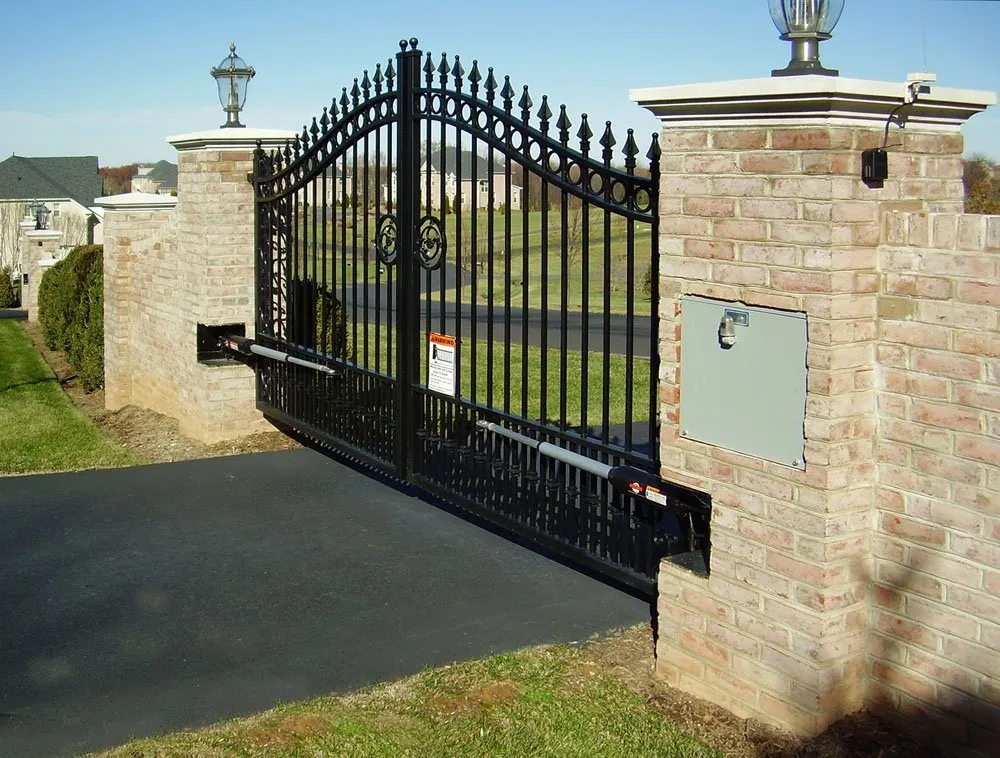
Swing Gate Operator Repair
Swing gate operators push and pull each gate leaf with an arm or actuator. Common repairs include replacing worn arms and brackets, correcting arm geometry so the gate opens fully, repairing actuators, adjusting limits for each leaf and resolving timing problems where dual gates do not close in sync. Arm alignment matters, because a poorly set arm strains the motor every cycle.
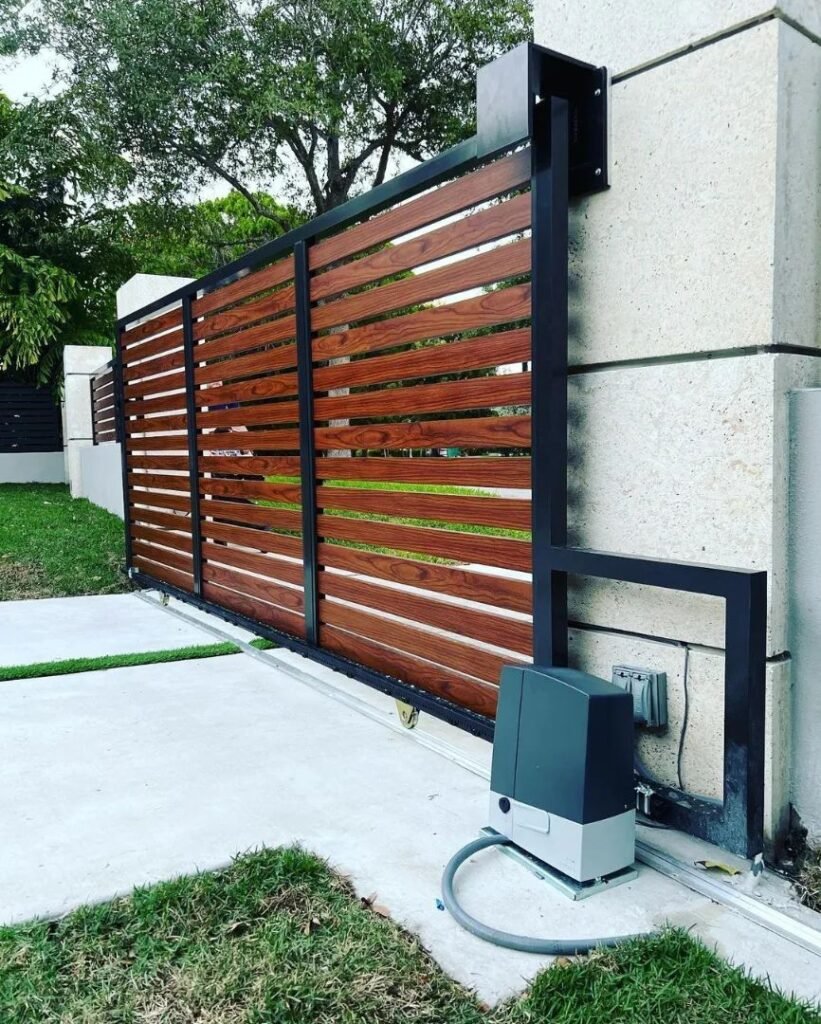
Slide Gate Operator Repair
Slide gate operators drive the gate along its track using a chain or a gear rack. Typical repairs include adjusting or replacing the chain, realigning the rack, replacing drive gears, resetting limit switches and fixing clutches that slip under load. We also confirm the gate rolls freely by hand, since a stiff gate can overload even a healthy operator.
OUR SERVICE VISIT
What Happens During an Opener Repair Visit
01
Describe the Problem
Tell us what the opener is doing, when it started and which controls still work. Details like this point the diagnosis in the right direction.
02
Test Power and Controls
We check the power supply, wiring, control board, receivers and safety inputs to see where the signal or power is being lost.
03
Inspect the Drive
We examine the motor, gearbox, arm, chain or rack and release mechanism for wear, damage or slipping.
04
Repair and Verify
After the agreed repair, we cycle the gate repeatedly and test every remote, keypad and sensor connected to the opener.
EQUIPMENT WE WORK ON
Operators, Controls and Accessories We Service
A gate opener is part of a larger system, and many problems start in the devices connected to it. During a repair we check the accessories that send commands to the opener or tell it when to stop. Brand and model compatibility is confirmed during the visit, and if a part is no longer available we will discuss replacement options with you.
Control Boards
The electronic brain of the opener that processes commands, limits and safety signals.
Remotes and Receivers
Handheld transmitters and the receivers that pass their signals to the control board.
Photo Eyes and Edges
Safety devices that stop or reverse the gate when something is in its path.
Batteries and Power Supply
Backup batteries, transformers and wiring that keep the opener running reliably.
REPAIR OR REPLACE THE OPENER?
Deciding Between an Opener Repair and a New Operator
Many opener problems are fixed by replacing a single component such as a capacitor, a control board, a receiver or a worn gear. When the operator is in good overall condition and parts are available, repair is usually the practical choice. A new operator becomes worth considering when the unit is undersized for the gate, parts are no longer available, failures keep repeating or the opener lacks safety features you want.
If replacement makes more sense, our gate opener installation service can match a new operator to your gate and how often it is used.
- Repair: single failed part with parts available
- Repair: settings or alignment problem
- Replace: repeated failures on an aging unit
- Replace: opener too small for the gate
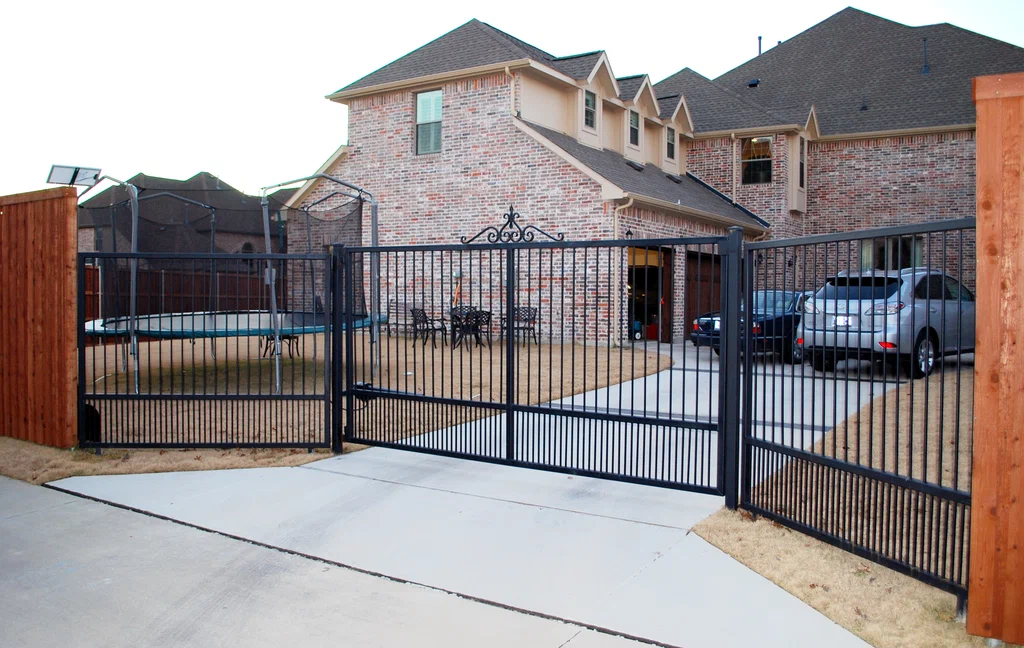
PRICING FACTORS
What Influences the Cost of Opener Repair
The price of an opener repair in Houston, TX depends on what failed and what it takes to fix it. These factors have the biggest effect on the final cost:
Type of Operator
Swing and slide operators use different parts, and commercial units are often more complex.
Part Being Replaced
A capacitor or receiver is very different from a motor, gearbox or control board.
Parts Availability
Older or discontinued operators can require sourcing or compatible substitute parts.
Wiring and Access
Damaged underground wiring or hard-to-reach equipment can add time to the repair.
Opener Failed and the Gate Will Not Move?
If the opener stops working, most operators have a manual release that lets you move the gate by hand. Only use it if you know how to do so safely, keep clear of the gate while it moves, and never force a gate that is still engaged. Then call us to schedule opener repair so your gate is back on automatic as soon as possible.
RELATED SERVICES
More Help for Your Gate System
GATE OPENER REPAIR FAQS
Questions About Gate Opener Repair in Houston, TX
Why does my gate opener hum but not open the gate?
Humming usually means the motor has power but cannot turn. Common causes include a failed capacitor, a stripped gear, a disengaged manual release or a gate that is binding and too hard for the motor to move. Testing both the operator and the gate identifies the cause.
Why did my gate remote stop working?
A remote can stop working because of a dead battery, lost programming, a damaged receiver or interference. If the gate still opens from the control box or keypad, the problem is likely with the remote or receiver rather than the motor.
Can you repair my brand of gate opener?
We service a wide range of residential and commercial gate operators. Compatibility and parts availability are confirmed during the visit. If parts for your model are no longer available, we will explain your options.
Why does my gate open but not close?
This is often caused by a blocked or misaligned safety sensor, incorrect limit settings or a control board issue. Because safety devices are designed to keep the gate open when they detect a problem, they are one of the first things we check.
Does Houston heat affect gate openers?
Extreme heat can contribute to overheating, battery wear and electronic failures, especially in units exposed to direct sun. Intermittent problems that appear on hot afternoons are worth having checked before they become permanent.
How do I use the manual release on my opener?
The release method varies by operator and usually involves a key, lever or knob on the unit. Only use it if you know how to operate it safely. If you are unsure, call us and we can walk you through it or schedule a visit.
Is it worth repairing an older gate opener?
If the opener is the right size for your gate and parts are available, repairing a single failed component is often worthwhile. If it keeps failing or parts are hard to find, a new operator may be the better long-term value.
Can a gate opener problem damage the gate?
Yes. An opener with incorrect force settings or a failing drive can strain hinges, brackets and tracks. Fixing opener problems early helps protect the rest of the gate system.
GET IN TOUCH
Schedule Gate Service
Send us a few details about your gate and what it is doing. Our team will contact you to confirm your service visit. Prefer to talk? Call us during business hours.
- (346) 648-6627
- 140 Cypress Station Dr Suite 100-26, Houston, TX 77090
- Mon-Fri: 9:00 AM - 5:00 PM
Request Gate Service